
Introduction
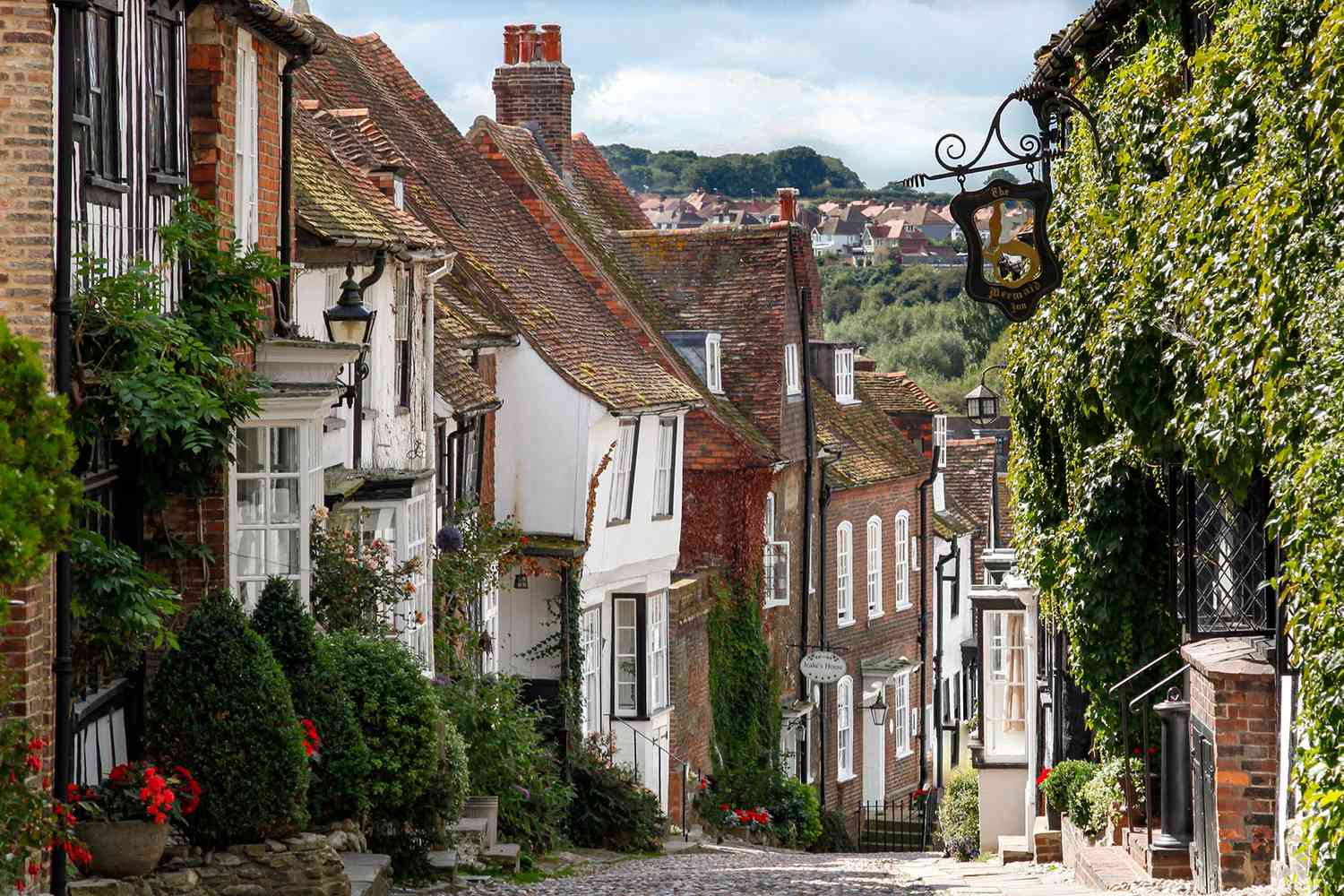
When people think about life in the UK, they often picture London — busy streets, iconic landmarks, packed trains, and endless opportunity. But the UK is far more than its capital.
In reality, there is a huge lifestyle gap between London and small towns in the UK, and choosing where to live can completely change your experience of the country.
This blog explores the real difference between UK lifestyle in London vs small towns, covering money, work, stress, social life, housing, and overall quality of life — without exaggeration or stereotypes.
Cost of Living: The Biggest Difference
Life in London: High Pay, Higher Costs
London is one of the most expensive cities in the world.
Typical London expenses include:
- Extremely high rent
- Expensive transport
- Higher food and service prices
- Costly social life
Even people on good salaries often feel financially stretched. Saving money in London requires strict budgeting or shared accommodation.
Life in Small Towns: More Breathing Room
Small towns across the UK offer:
- Much lower rent
- Cheaper council tax in many areas
- Less transport spending
- Lower everyday costs
While salaries may be lower, money often goes further, making saving and stability more realistic.
Verdict:
👉 Small towns win for affordability.
Work and Career Opportunities
London: Career Capital of the UK
London offers:
- More job opportunities
- Higher salaries
- Faster career progression
- Global companies
Industries like finance, tech, media, and consulting thrive here. For ambitious professionals, London can accelerate careers — but at the cost of stress.
Small Towns: Fewer Jobs, Less Pressure
In small towns:
- Job options are limited
- Salaries are lower
- Career progression is slower
However, work tends to be:
- Less intense
- More stable
- Closer to home
Remote work has improved opportunities for people living outside major cities.
Verdict:
👉 London wins for careers; small towns win for balance.
Commuting and Daily Stress
London Commutes
London commuting is often:
- Long
- Crowded
- Expensive
- Mentally draining
Spending 1–2 hours a day on packed trains or underground lines is normal. Over time, this daily stress affects energy and mood.
Small Town Commutes
Small towns usually offer:
- Short commutes
- Walking or driving to work
- Less crowding
- Quieter mornings
This saves time, energy, and mental space.
Verdict:
👉 Small towns offer a calmer daily rhythm.
Housing and Living Space
London Housing Reality
London homes are often:
- Small
- Expensive
- Shared
- Poor value for money
Even high earners compromise on space. Home ownership is out of reach for many without significant help.
Small Town Housing Reality
In small towns:
- Homes are larger
- Gardens are common
- Rent is more reasonable
- Buying feels achievable
Quality of life improves when living space increases.
Verdict:
👉 Small towns offer better housing comfort.
Social Life and Community
Social Life in London
London is full of people — but not always connection.
Pros:
- Diverse communities
- Events and activities
- Food from every culture
Cons:
- Fast-paced interactions
- Harder to build deep friendships
- Everyone is busy
Social life can feel exciting but emotionally shallow.
Social Life in Small Towns
Small towns offer:
- Familiar faces
- Stronger community ties
- Slower social pace
However:
- Less diversity
- Fewer entertainment options
For some, this feels comforting. For others, it feels limiting.
Verdict:
👉 London offers variety; small towns offer belonging.
Lifestyle Pace: Fast vs Slow
London Lifestyle
London life is:
- Fast
- Competitive
- Goal-driven
People measure progress in promotions, income, and status. This motivates some — and exhausts others.
Small Town Lifestyle
Small town life is:
- Slower
- Routine-based
- Predictable
There’s less pressure to constantly achieve, but also fewer opportunities to stand out.
Verdict:
👉 Depends on personality and life stage.
Mental Health and Wellbeing
London’s Mental Load
London can:
- Increase anxiety
- Create burnout
- Encourage comparison
The constant rush affects long-term wellbeing.
Small Town Mental Space
Small towns often offer:
- Quieter surroundings
- Better sleep
- Less sensory overload
However, loneliness can occur if social opportunities are limited.
Verdict:
👉 Small towns generally support calmer mental health.
Raising a Family
Families in London
Pros:
- Better schools in some areas
- Cultural exposure
- Career access
Cons:
- Expensive childcare
- Limited space
- High stress
Families in Small Towns
Pros:
- Safer environments
- Outdoor space
- Strong school communities
Cons:
- Fewer specialist services
- Less diversity
Verdict:
👉 Small towns often suit families better long-term.
Diversity and Cultural Exposure
London is one of the most multicultural cities in the world. Small towns vary greatly — some are diverse, others less so.
For immigrants, London often feels more familiar and accepting initially. Small towns may take longer to adjust — but can become very welcoming over time.
Lifestyle for Immigrants
Immigrants in London
- Easier to blend in
- Larger cultural communities
- More job options
But also:
- Higher costs
- Less stability
Immigrants in Small Towns
- Lower costs
- Quieter life
- Strong local relationships
But:
- Fewer cultural resources
- Slower integration
Which One Is Better?
Choose London if you:
- Are career-focused
- Enjoy fast-paced life
- Value diversity
- Are early in your journey
Choose a Small Town if you:
- Want stability
- Value peace and space
- Have a family
- Think long-term
The Hidden Truth
Many people start in London — and move to small towns later.
London is often a phase, not a destination. It offers growth, exposure, and opportunity — but few stay forever.
Small towns often become home when priorities shift from ambition to balance.
Final Thoughts
The UK lifestyle in London vs small towns is not about right or wrong — it’s about timing.
London gives you:
- Opportunity
- Energy
- Momentum
- social environment
Small towns give you:
- Calm
- Stability
- Space
- peace
The best choice is the one that matches who you are now, not who you used to be.