
Introduction
£2,000 a month sounds like a reasonable amount of money. For many people moving to or living in the UK, it feels like it should be enough for a stable and comfortable life.
But when rent, bills, food, and transport are deducted, the picture changes quickly.
So what does £2,000 a month really get you in the UK in 2026?
This blog breaks down the real cost of living in the UK, showing where the money actually goes, what kind of lifestyle is realistic, and how location makes a huge difference.
First: What Does £2,000 a Month Represent?
£2,000 a month is typically:
- A take-home salary after tax
- Or a household budget for a single person
- Or a tight family budget in some cases
For many workers, this amount represents:
- Full-time employment
- Average earnings
- Careful budgeting
Let’s see how far it actually stretches.
Rent: The Biggest Expense by Far
Renting in London
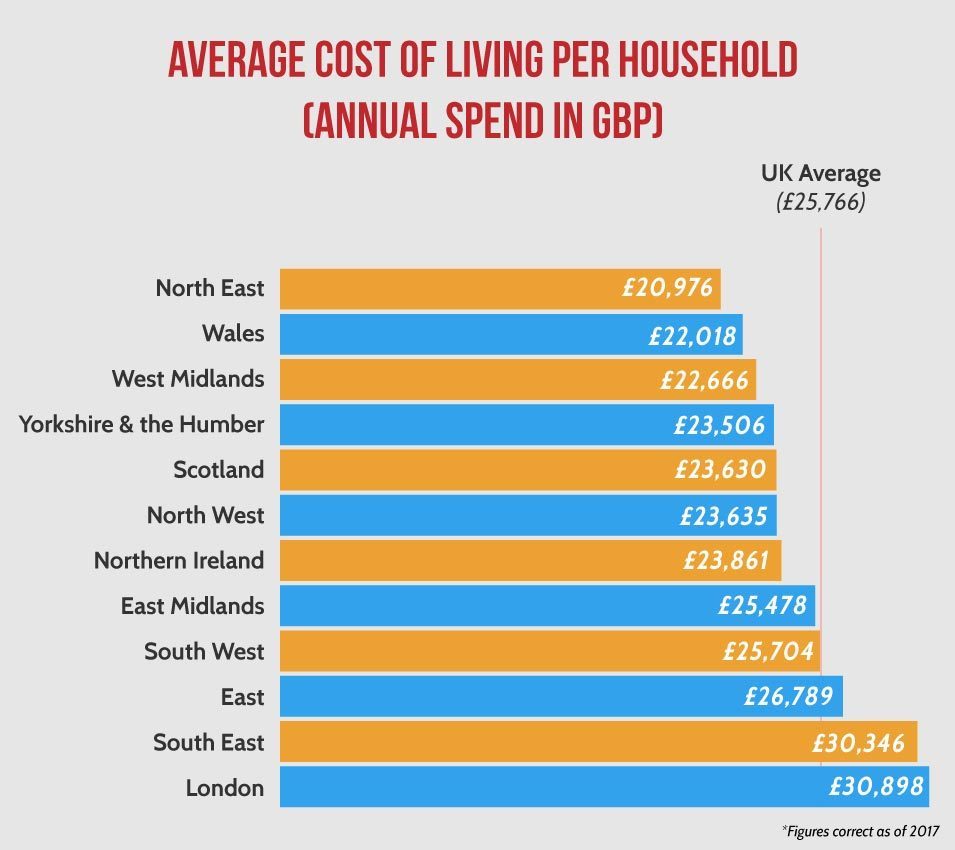
If you live in London, £2,000 a month is not comfortable.
Typical costs:
- Room in a shared house: £700–£1,000
- Studio or one-bed flat: £1,300–£1,800+
That leaves very little for everything else.
Reality:
Living alone in London on £2,000 a month is extremely difficult unless housing costs are shared.
Renting in Other UK Cities
In cities like:
- Manchester
- Birmingham
- Leeds
- Nottingham
Rent looks more manageable:
- Room: £500–£750
- One-bed flat: £700–£1,000
Here, £2,000 a month starts to feel possible — but still requires discipline.
Renting in Small Towns
In smaller towns:
- One-bed flat: £500–£700
- Shared housing: £400–£600
This is where £2,000 a month stretches the furthest.
Bills: The Quiet Money Drainers
Even when rent is controlled, bills add up quickly.
Average monthly bills include:
- Council tax: £100–£180
- Gas & electricity: £120–£200
- Water: £25–£40
- Internet & mobile: £40–£60
- TV licence (if applicable): £13
Total bills: £300–£450 per month
These are non-negotiable costs — they exist whether you live cheaply or not.
Food: No Longer “Cheap”
Supermarket Shopping
A realistic monthly food budget:
- Single person: £200–£300
- Couple: £350–£450
Even budget supermarkets feel expensive now. Planning meals and avoiding waste has become essential.
Eating Out
Eating out regularly is not realistic on a £2,000 budget.
Typical costs:
- Takeaway: £10–£15
- Restaurant meal: £20–£30
Most people limit eating out to occasional treats.
Transport: Depends Where You Live
London Transport
Monthly travel costs:
- Public transport: £150–£250
- Car ownership: Very expensive
Transport alone can consume a large portion of income.
Outside London
In smaller cities and towns:
- Bus pass: £50–£80
- Fuel & car costs: £100–£200
Living closer to work makes a big difference.
A Realistic Monthly Breakdown (£2,000)
Here’s a realistic example for someone living outside London:
- Rent: £800
- Bills: £350
- Food: £250
- Transport: £120
- Phone & subscriptions: £60
- Miscellaneous: £120
Total: £1,820
Remaining: £180
That £180 must cover:
- Savings
- Emergencies
- Clothing
- Social life
There is very little margin for error.
Can You Save on £2,000 a Month?
Short Answer: A Little — If Nothing Goes Wrong
Savings on this budget are:
- Small
- Slow
- Fragile
Most people save:
- £50–£150 per month
- Only when no emergencies occur
One unexpected expense can wipe out months of savings.
Lifestyle Reality on £2,000 a Month
What You CAN Do
- Pay bills on time
- Eat properly at home
- Travel locally
- Enjoy occasional treats
What You CAN’T Easily Do
- Live alone in London
- Save aggressively
- Travel frequently
- Handle major emergencies comfortably
This is a survival-plus lifestyle, not a luxury one.
£2,000 a Month for Families
For families, £2,000 a month is extremely tight.
Challenges include:
- Childcare costs
- School expenses
- Larger housing needs
In most cases, £2,000 is not enough without:
- Benefits
- Second income
- Family support
£2,000 a Month for Immigrants
Immigrants often face extra costs:
- Sending money home
- Visa fees
- Setting up life from scratch
This makes the cost of living in the UK even harder to manage on this budget.
Why £2,000 Feels Less Than It Used To
People often ask: “Why doesn’t £2,000 go far anymore?”
Because:
- Housing costs have risen faster than wages
- Bills have increased sharply
- Food prices have changed permanently
The number stayed the same — the value didn’t.
Is £2,000 a Month Enough in the UK?
YES, If:
- You live outside London
- You share housing
- You budget carefully
- You accept a simple lifestyle
NO, If:
- You live alone in a major city
- You have dependants
- You expect comfort and savings
- You want frequent travel or luxuries
The Emotional Reality of This Budget
Living on £2,000 a month often means:
- Constant calculation
- Limited spontaneity
- Background financial stress
It’s manageable — but mentally tiring.
Final Thoughts
The cost of living in the UK means that £2,000 a month is no longer a comfortable income — it is a controlled, careful one.
It provides:
- Stability
- Basic comfort
- Predictability
But not:
- Financial freedom
- Strong savings
- Lifestyle flexibility
£2,000 a month can support a life in the UK — but only if expectations are realistic and spending is disciplined.
The UK today rewards planning, restraint, and patience, not comfort by default.