Fuel Prices UK (2026 Guide)
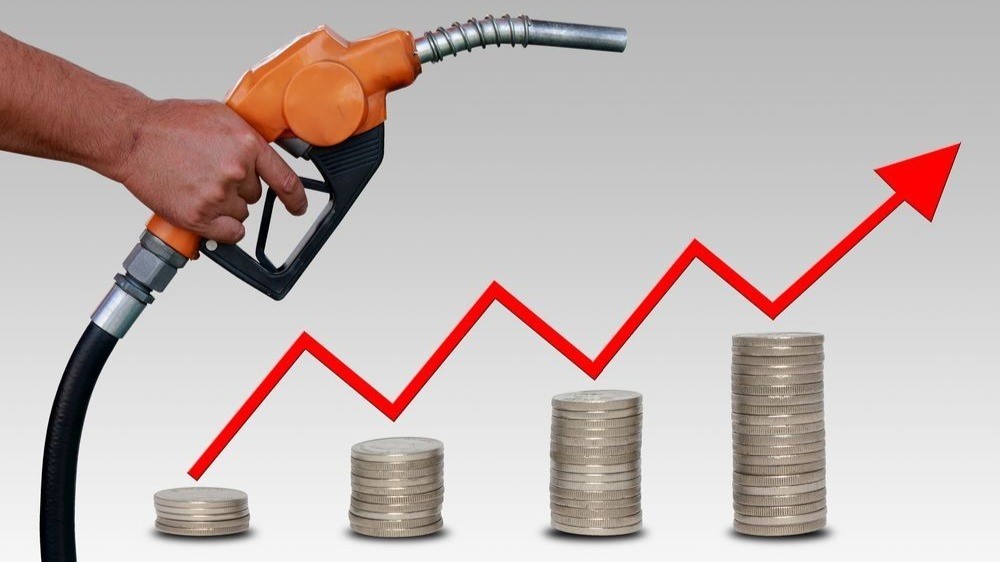
Fuel prices continue to be one of the most important cost-of-living issues for UK drivers in 2026. Although prices have stabilised compared to the major spikes of 2022–2023, petrol and diesel remain significantly more expensive than pre-2020 levels. Rising global oil prices, refinery costs, geopolitical pressure and UK taxation all play a major role in how much drivers pay at the pump. This detailed guide explains the current fuel prices in 2026, why they fluctuate, regional differences, and how drivers can reduce their fuel costs.
1. Current Fuel Prices in the UK (2026)
In early 2026, the average petrol and diesel prices are:
- Petrol (E10): 145–160p per litre
- Diesel (B7): 155–170p per litre
These figures are national averages, meaning many drivers regularly see prices above or below these ranges depending on region and supplier. Supermarkets like Tesco, Asda and Sainsbury’s typically offer the lowest prices, while motorway service stations tend to be the most expensive, often charging 10–25p more per litre.
Electric vehicle charging costs have also increased, with rapid chargers averaging 65–85p per kWh, but EVs still tend to be cheaper per mile than petrol or diesel cars.
2. Why Fuel Prices Are High in 2026
Fuel prices have been influenced by several major factors in recent years:
Global oil prices
The biggest driver of UK fuel prices is the cost of crude oil. Even small changes in the global oil market can raise or lower UK pump prices by 2–5p per litre.
Exchange rates
Oil is traded in US dollars. If the pound weakens against the dollar, importing oil costs more, pushing prices higher.
Refining and distribution costs
Refinery capacity issues, transport delays and labour shortages all add pressure.
Fuel duty
Fuel duty remains frozen at 52.95p per litre, one of the highest fuel taxation rates in Europe.
VAT
VAT adds 20% on top of the final fuel price.
Geopolitical events
Conflicts, sanctions and supply disruptions can quickly increase global oil prices.
3. Regional Differences in UK Fuel Prices (2026)
Fuel prices vary significantly between regions. In 2026:
Most expensive regions:
- London
- South East
- Scotland (remote areas)
- Motorways nationwide
London and the South East pay more due to higher land and operating costs, while Scotland’s rural areas face increased transport costs.
Cheapest regions:
- East Midlands
- North East
- Yorkshire & Humber
- Northern Ireland (historically lower due to competition)
Supermarkets influence local pricing – areas with multiple competing stations see lower average prices.
4. Weekly and Monthly Price Fluctuations
Fuel prices rarely stay the same for long. Drivers often notice:
- Small daily increases or decreases
- Larger weekly changes depending on wholesale prices
- Monthly fluctuations based on global oil trends
If wholesale prices drop, retailers often delay passing savings on. However, when wholesale costs rise, pump prices typically increase quickly.
5. Petrol vs Diesel Prices in 2026
Diesel remains more expensive due to:
- Higher global demand for diesel in commercial sectors
- Greater refining costs
- Strong European diesel demand
- UK environmental policies discouraging diesel use
However, diesel vehicles are still preferred for motorway and long-distance driving thanks to better fuel economy.
6. Alternative Fuels and Their Costs
Electric vehicles (EVs) are growing in popularity:
Home charging:
- 25–34p per kWh
- Cheapest option for EV owners
Public chargers:
- Fast chargers: 55–65p per kWh
- Rapid chargers: 65–85p per kWh
EVs typically cost 6–12p per mile, making them cheaper than combustion engines, which often cost 20–30p per mile.
Hybrid vehicles strike a balance, offering improved efficiency but still relying on petrol.
7. Fuel Price Predictions for 2026–2027
Experts believe fuel prices may:
- Rise slightly during winter and high-demand periods
- Stabilise in mid-2026
- Increase again if global oil supply tightens
- Drop if renewable energy adoption accelerates
A major factor will be how quickly the UK transitions to EVs and alternative fuels. Petrol and diesel sales are slowly declining, but fuel duty revenue remains crucial to the government.
8. How Drivers Can Reduce Fuel Costs in 2026
Fuel-saving techniques can significantly reduce yearly costs. The average UK driver can save £300–£600 per year using these strategies:
1. Compare fuel prices locally
Apps like PetrolPrices and Google Maps show the cheapest fuel nearby.
2. Maintain correct tyre pressure
Underinflated tyres increase fuel usage by up to 10%.
3. Avoid harsh acceleration
Gentle driving saves 15–20% on fuel.
4. Remove unnecessary weight
Roof racks and heavy items reduce efficiency.
5. Use cruise control on motorways
Helps keep a steady speed and improves efficiency.
6. Combine trips
Short, frequent journeys use more fuel because the engine is cold.
7. Use supermarket loyalty schemes
Tesco Clubcard and Nectar often offer discounted fuel promotions.
8. Consider switching to a hybrid or EV
EVs cost less per mile and avoid road tax (until 2027).
9. The True Cost of Fuel: Price Per Mile
In 2026:
- Petrol cars: 20–30p per mile
- Diesel cars: 18–28p per mile
- Hybrid cars: 12–18p per mile
- Electric cars: 6–12p per mile
Adding insurance, tax, MOT and maintenance, the average motorist spends £3,000–£4,500 annually on car ownership.
10. Common Fuel Myths (Debunked)
“Premium fuel makes your car faster.”
Premium fuel benefits only high-performance or turbocharged engines.
“Diesel lasts longer, so it’s always cheaper.”
Diesel engines may offer better mileage, but diesel is often more expensive.
“Cruise control always saves fuel.”
True on motorways; not always on hilly routes.
11. Related UK Cost Guides
Add these internal links at the bottom for better SEO:
- Road Tax Cost UK 2026 – /road-tax-cost-uk-2026/
- MOT Test Cost UK 2026 – /mot-test-cost-uk-2026/
- Car Insurance Cost UK 2026 – /car-insurance-cost-uk-2026/
- Car Service Cost UK 2026 – /car-service-cost-uk-2026/
- Energy Bill Cost UK 2026 – /energy-bill-cost-uk-2026/