
Nursery Fees UK (2026 Guide)
Nursery fees continue to be one of the largest financial pressures for families in the UK. With the cost of living rising and demand for childcare increasing, many parents are concerned about how much nursery care will cost in 2026.
This comprehensive guide breaks down average nursery fees across the UK, including full-time and part-time costs, regional differences, government-funded free hours, and practical ways to reduce your childcare expenses. If you’re planning childcare for 2026, this guide gives you everything you need to budget confidently.
Average Nursery Fees in the UK (2026 Overview)
In 2026, the average cost of nursery childcare in the UK is:
- £65 – £85 per day for full-day nursery
- £1,200 – £1,600 per month for full-time care (5 days a week)
- £40 – £55 per half day for part-time care
- £55 – £75 per day for under-2s (due to higher staffing ratios)
Nursery prices vary based on location, age of the child, and the type of nursery you choose. Babies and younger toddlers generally cost more because they require more staff per child.
Full-Time Nursery Costs in 2026
Full-time nursery care (Monday to Friday) is usually the largest childcare expense for families of working parents. In 2026, the average full-time fees are:
- £1,200 – £1,600 per month (outside London)
- £1,700 – £2,200 per month (London and surrounding areas)
Some nurseries offer discounted rates for siblings, although these savings have become less common in recent years due to staffing and cost pressures.
Part-Time Nursery Costs in 2026
Part-time care is popular for families who work flexible hours or have childcare help from relatives.
Typical part-time prices are:
- £40 – £55 per half day
- £65 – £85 per full day (single days)
Many nurseries offer part-day sessions (morning or afternoon), usually lasting 4–6 hours. However, daily rates for part-time care are often higher per hour than full-time rates.
Nursery Fees by Child Age Group
Age significantly affects nursery fees due to required staff ratios.
Under 2 years old:
- £65 – £95 per day
Highest fees due to legal staff-to-child ratios (1:3).
Ages 2–3:
- £55 – £80 per day
Ages 3–4:
- £50 – £75 per day
Cheapest group because of government-funded free hours.
Regional Nursery Price Differences (2026)
Nursery fees in the UK vary widely depending on region:
Most expensive regions:
- London
- South East
- South West
- Edinburgh & Glasgow (private settings)
Full-time care in these areas can reach:
- £1,800 – £2,300 per month
Mid-range regions:
- Midlands
- East England
- North West
- Wales
Full-time:
- £1,300 – £1,600 per month
Cheapest regions:
- North East
- Yorkshire
- Northern Ireland
Full-time:
- £1,000 – £1,300 per month
Even in lower-cost regions, urban areas tend to be more expensive than rural ones.
Government Free Hours for Nursery (2026 Funding Rules)
The UK government offers funded hours to reduce childcare costs.
For children aged 3–4:
- Universal 15 hours free childcare per week
- Additional 15 hours (making 30 hours) for eligible working parents
For children aged 2:
- Some families qualify for 15 free hours based on income or benefits
- Working parents may also qualify for 15–30 hours depending on updated 2024–2026 rollout changes
For babies aged 9–23 months:
The government is expanding funded childcare to younger age groups through 2025–2026. Full rollout in 2026 should give working parents access to funded hours for:
- Children aged 9 months and older
Parents must apply through the Government Childcare Choices system.
How Free Hours Affect Nursery Costs
Free hours reduce the per-month cost but do not cover:
- Meals
- Snacks
- Activities
- Nappy fees
- Early drop-off or late pick-up
- Additional sessions
Some nurseries charge “consumables fees” even during funded hours.
Many parents still pay £400–£900 per month AFTER using free hours.
Deposit and Registration Fees for Nurseries
Nurseries often charge upfront fees:
- Registration fee: £50 – £200
- Deposit: £100 – £500 (refundable)
- Admin fee: occasional additional cost
Deposits are usually refunded when your child leaves, assuming notice requirements are met.
Extra Charges Parents Should Expect
Many nurseries now charge separately for:
- Breakfast, lunch, snacks
- Nappies and wipes
- Trips and events
- Holiday club sessions
- Extended-hour care (7am–6pm options)
Food charges alone can add £40 – £80 per month depending on the nursery.
Why Nursery Fees Are Rising in 2026
Childcare costs are increasing due to:
- Staff wage increases
- Higher rent and equipment costs
- Food inflation
- Increased demand for childcare spaces
- Government funding gaps
- High staff turnover across the childcare sector
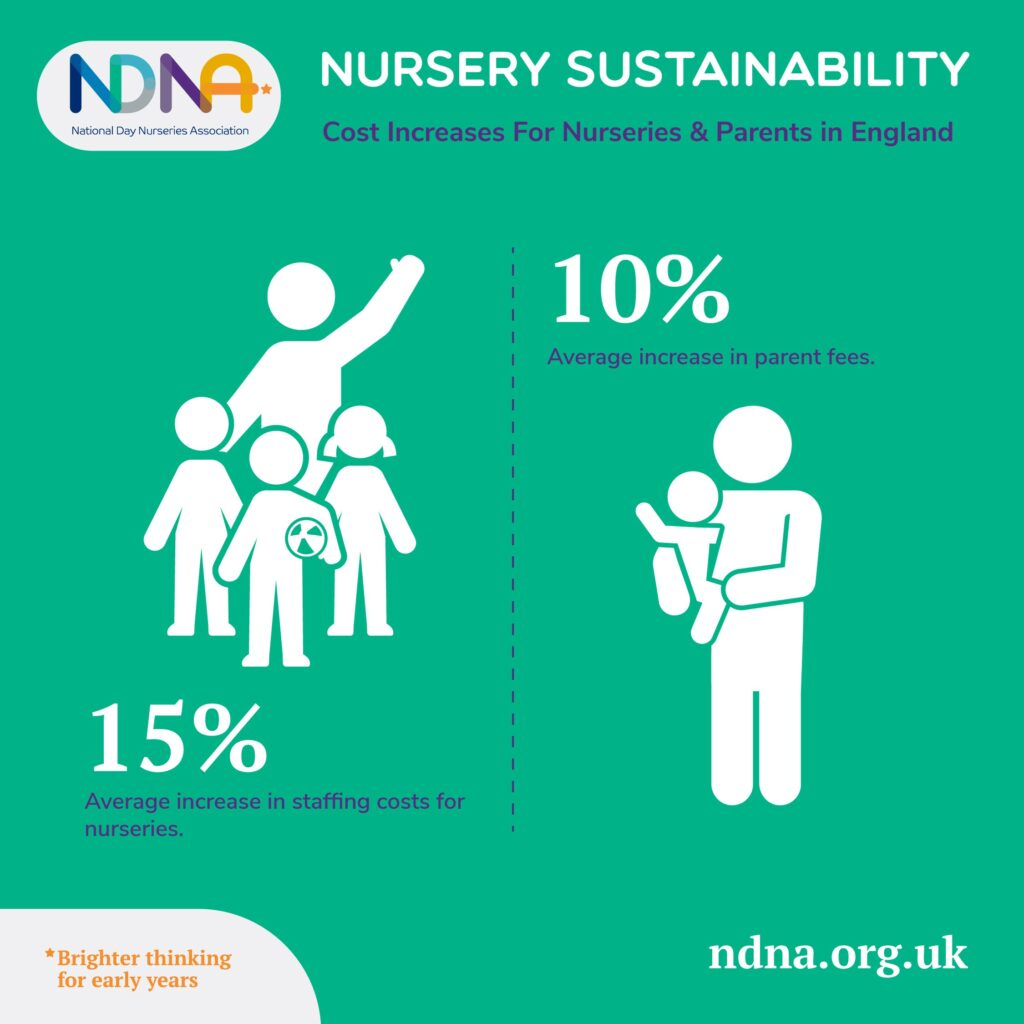
Many nurseries have raised fees by 5–10% in 2026 to cover increased operational costs.
Ways to Reduce Nursery Costs in 2026
Childcare is expensive, but there are several ways to lower your monthly bill:
1. Use government-funded hours
Apply early to secure places.
2. Use Tax-Free Childcare
This scheme pays 20% of childcare costs, up to £2,000 per year per child.
3. Choose part-time days
Even 1–2 fewer days per week can save £300–£600 per month.
4. Pick nurseries outside city centres
Urban nurseries can cost 20–30% more.
5. Ask about sibling discounts
Not all nurseries offer them, but some do.
6. Avoid optional extras
Some nursery optional services add significant monthly costs.
7. Look for employer childcare support
Some companies provide enhanced childcare benefits.
Nursery vs Childminder Costs (2026 Comparison)
Childminders are often cheaper than nurseries.
Childminder rates:
- £4.50 – £7.50 per hour
- Full-time monthly cost: £850 – £1,250
Nursery rates:
- £65 – £85 per day
- Full-time monthly cost: £1,200 – £1,600+
Childminders offer more flexible hours but may not have the same facilities as nurseries.
How Nursery Waiting Lists Work in 2026
Many popular nurseries have waiting lists of 6–12 months. London can be even longer.
To secure a place:
- Apply during pregnancy or as early as possible
- Pay the registration fee
- Confirm your desired days well in advance
Last-minute places are rare in busy areas.
Are UK Nursery Fees Likely to Increase Again?
Most experts predict nursery fees will rise by another 5–8% by late 2026 due to:
- Inflation
- Staffing shortages
- Increased overheads
- Expanding government free hours not fully funded
Parents should budget for annual increases at most nurseries.
Related UK Cost Guides
Add these internal links for SEO: