
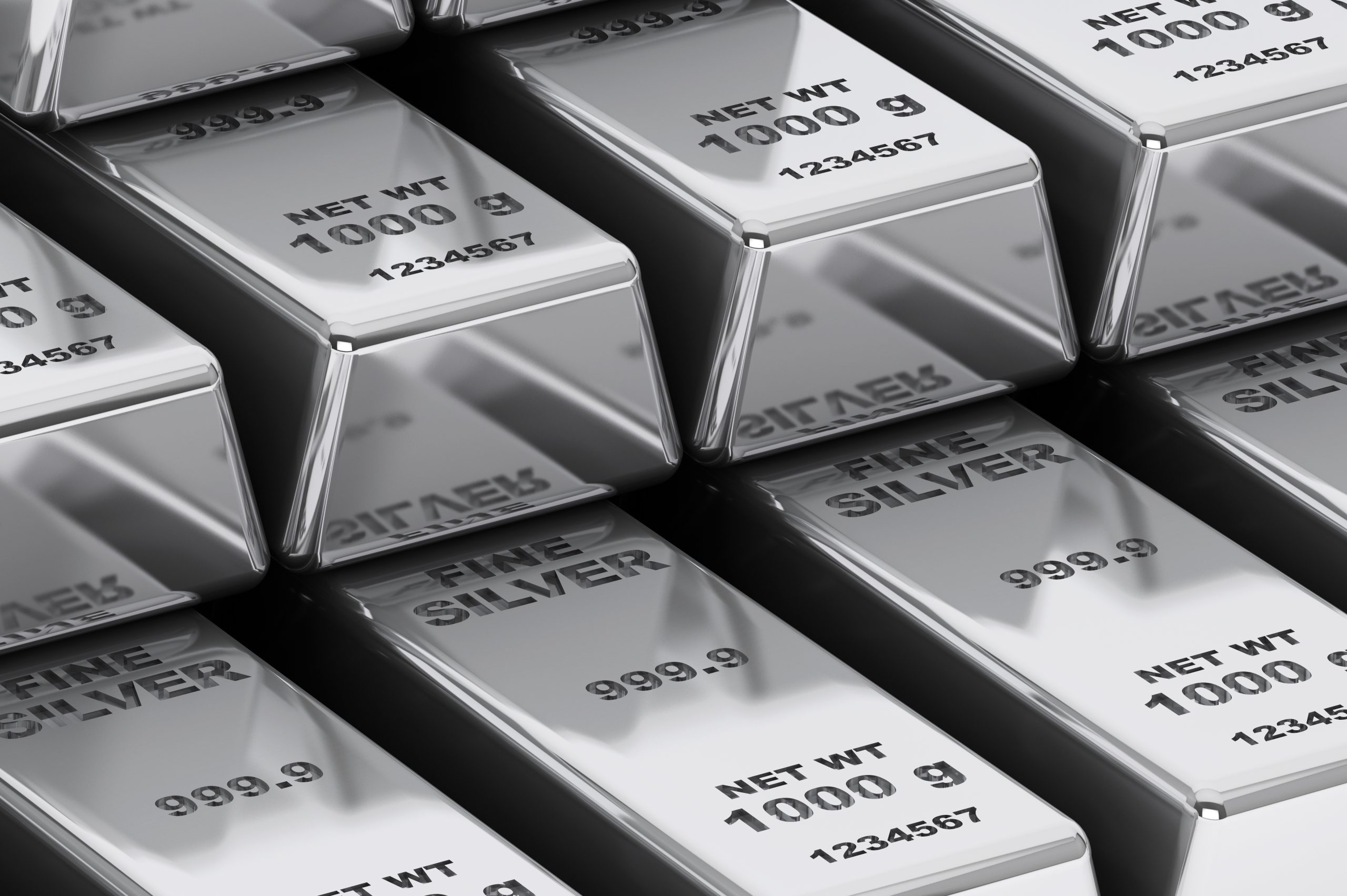
Silver Prices UK 2026: Why Silver Is Rising (or Falling) & What Happens Next
Silver has always been one of the most followed precious metals in the world. In 2026, silver prices remain highly volatile, driven by inflation concerns, global economic uncertainty, industrial demand, and investor sentiment.
Unlike gold, silver has a dual role — it is both a precious metal and an industrial metal, which makes its price movements more dynamic and sometimes more unpredictable.
In this guide, we explain what affects silver prices, why silver moves so sharply, what experts are watching in 2026, and whether silver is a good investment in the UK right now.
What Is the Current Silver Price Based On?
Silver prices are quoted globally in US dollars per troy ounce. In the UK, the price you see is influenced by:
- The global spot price
- The USD/GBP exchange rate
- Dealer premiums
- VAT (20% on silver in the UK)
Unlike gold bullion, silver bullion in the UK is subject to VAT, which increases the purchase cost for investors.
You can check live spot prices here:
London Bullion Market Association (LBMA):
https://www.lbma.org.uk
Kitco live prices:
https://www.kitco.com
Why Silver Prices Are Volatile
Silver is more volatile than gold for several reasons:
- Smaller market size
- Higher industrial use
- Speculative trading activity
- Stronger reaction to economic news
When economic uncertainty rises, silver often moves sharply — sometimes faster than gold.
What Drives Silver Prices in 2026?
Several key factors influence silver prices:
1. Inflation & Interest Rates
When inflation rises, investors often buy precious metals as a hedge.
However, higher interest rates can reduce demand because silver does not pay interest.
2. Industrial Demand
Silver is used in:
- Solar panels
- Electric vehicles
- Electronics
- Medical equipment
As renewable energy grows, silver demand increases.
3. US Dollar Strength
Silver is priced in US dollars.
If the dollar weakens → silver often rises.
If the dollar strengthens → silver may fall.
4. Investor Sentiment
Market fear often pushes investors into precious metals.
Silver vs Gold: Which Performs Better?
Silver typically:
- Falls harder than gold in downturns
- Rises faster than gold in strong rallies
- Has more industrial exposure
Gold is seen as a safer hedge.
Silver is considered more speculative but offers higher upside potential.
The gold-to-silver ratio is closely monitored by investors.
Silver Price Trends in Recent Years
Over the past few years:
- Inflation spikes pushed silver higher
- Central bank tightening caused pullbacks
- Green energy demand supported prices
- Economic slowdowns created volatility
Silver often experiences “fake dips” — short-term drops before larger moves.
Is Silver a Good Investment in 2026?
Silver may appeal to investors who:
- Want exposure to precious metals
- Believe in long-term inflation protection
- Expect growth in renewable energy
- Are comfortable with volatility
However, silver is not risk-free.
Prices can fall sharply during:
- Market crashes
- Strong dollar periods
- High interest rate environments
Ways to Invest in Silver in the UK
There are several ways UK investors can gain exposure:
Physical Silver
- Silver coins
- Silver bars
Pros:
- Tangible asset
- No counterparty risk
Cons:
- 20% VAT in the UK
- Storage and insurance costs
Silver ETFs
Exchange-traded funds track silver prices without holding physical metal.
Mining Shares
Investing in silver mining companies can provide leveraged exposure.
VAT on Silver in the UK
Unlike gold, silver bullion is subject to 20% VAT in the UK.
This means:
- You pay VAT when buying physical silver
- You may not recover VAT unless VAT registered
This makes physical silver less tax-efficient compared to gold.
For VAT rules:
https://www.gov.uk/vat-rates
Will Silver Prices Go Up in 2026?
No one can predict exact prices, but analysts watch:
- Central bank policy
- Inflation data
- Renewable energy growth
- Global recession risks
- Industrial supply shortages
If inflation remains sticky and industrial demand continues rising, silver could see strong support.
If rates stay high and growth slows sharply, silver could experience pullbacks.
What Causes Silver Price Drops?
Silver often drops due to:
- Strong US dollar
- Rate hike expectations
- Profit-taking
- Weak industrial data
- Risk-off market sentiment
Silver can fall quickly — sometimes 5–10% in short periods.
Is Silver Better for Long-Term Investors or Traders?
Silver suits:
- Long-term investors seeking diversification
- Traders looking for volatility
- Investors wanting inflation hedging
It may not suit those seeking stable, low-volatility returns.
Silver Supply & Mining Issues
Silver supply is influenced by:
- Mining production
- By-product mining (silver is often mined with other metals)
- Political instability in mining regions
- Environmental regulations
Supply shortages can support higher prices.
Should You Buy Silver During a Dip?
Buying during dips can reduce average cost, but:
- Timing markets is difficult
- Silver may continue falling
- Diversification is important
Investors often use pound-cost averaging instead of trying to pick exact bottoms.
Risks of Investing in Silver
Key risks include:
- High volatility
- Industrial slowdown impact
- Currency fluctuations
- Storage risks (for physical holders)
- Market speculation
Always consider risk tolerance before investing.
Silver Price Outlook: Key Themes for 2026
Market watchers are focused on:
- Renewable energy expansion
- EV demand
- Inflation persistence
- Geopolitical tensions
- Monetary policy shifts
Silver remains highly sensitive to macroeconomic trends.
Key Takeaways
- Silver is both a precious and industrial metal
- UK buyers pay 20% VAT on physical silver
- Prices are volatile but offer upside potential
- Industrial demand plays a big role
- Long-term diversification is key
Outbound Links
London Bullion Market Association:
https://www.lbma.org.uk
Kitco live prices:
https://www.kitco.com
UK VAT guidance:
https://www.gov.uk/vat-rates
Suggested Internal Links (SEO)
Link this article to:
- Gold Prices UK 2026
- VAT Explained UK 2026
- Inflation UK 2026 Explained
- Cost of Living UK 2026
- Investment Taxes UK Explained