
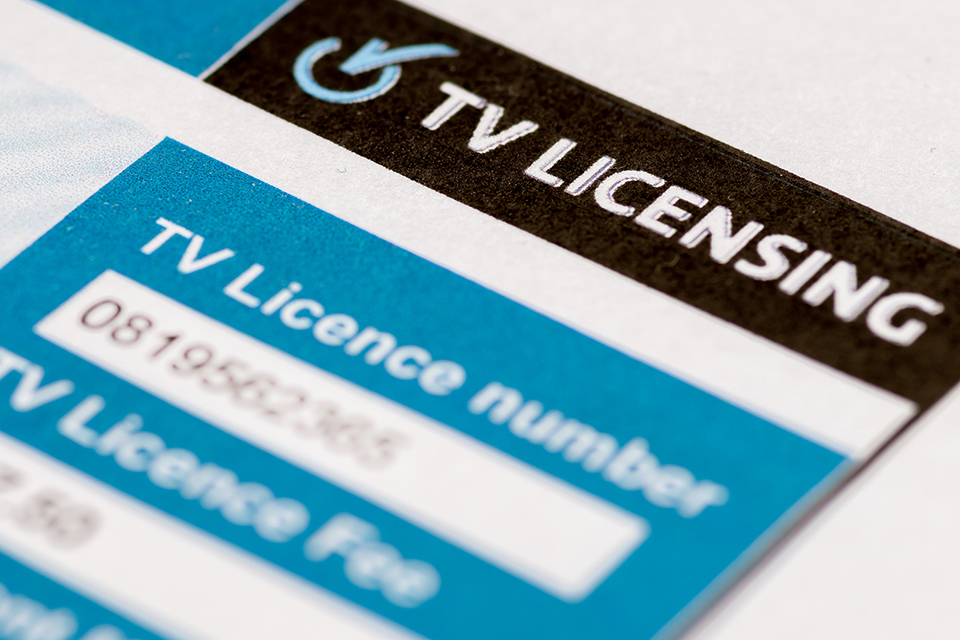
TV Licence Cost UK (2026 Guide)
The TV Licence continues to be one of the most talked-about household costs in the UK, especially with streaming services growing rapidly and fewer households watching traditional live TV. In 2026, the BBC licence fee remains mandatory for certain types of viewing, but many people are confused about who must legally pay it, how much it costs, and whether there are exemptions.
This 1500-word guide breaks down everything you need to know about the UK TV Licence cost in 2026, including pricing, rules, fines, student policies, over-75 exemptions, what counts as “live TV,” and how to legally avoid paying if you don’t need one.
TV Licence Cost in the UK for 2026
The standard colour TV Licence cost for 2026 is:
- £173.50 per year for a colour licence
- £58.00 per year for a black-and-white licence (rare, but still valid)
You can pay:
- Monthly by direct debit
- Quarterly
- Yearly
- Weekly payment card
The licence covers an entire household, including all TVs, laptops, tablets, and phones watching live TV or BBC iPlayer.
Do You Need a TV Licence in 2026?
You must have a TV Licence if you:
- Watch live TV on any channel (BBC, ITV, Sky, Channel 4, etc.)
- Watch or record programmes as they are being broadcast
- Watch ANYTHING on BBC iPlayer (live or on demand)
- Watch live TV through streaming apps such as YouTube, Now TV, Sky Go, or Amazon Channels if it’s live
This applies whether you use:
- TV
- Laptop
- Phone
- Games console
- Smart TV apps
- Streaming stick (Fire TV, Roku, etc.)
You Do NOT Need a TV Licence If…
This is where many people save money legally.
You do not need a licence if you:
- Only watch streaming services like Netflix, Prime Video, Disney+, Apple TV+
- Only watch YouTube on demand (not live streams)
- Only use catch-up services like ITVX – as long as it’s not live
- Never use BBC iPlayer
- Only play games
- Only watch DVDs / downloaded content
Many UK households legally cancel their licence because they no longer watch live content.
How Much Has the TV Licence Increased in 2026?
The TV Licence increased from £159 to £173.50 in April 2024 and continues to rise in line with inflation. In 2026, the fee is expected to rise again in line with CPI, although the government still debates long-term reforms.
For now, £173.50 is the official fee for 2026.
Who Gets a Free TV Licence in 2026?
Only one group gets a free TV Licence:
- People over 75 receiving Pension Credit
Requirements:
- You must be over 75
- You or your partner must receive Pension Credit (Guarantee Credit)
If you’re over 75 but do not receive Pension Credit, you must still pay in 2026.
TV Licence Discounts or Reduced Rates
These are limited, but available:
- Blind or severely sight-impaired people: 50% discount
- Care homes / sheltered housing: Special discounted rate
- Students: No discount, but may not need a licence depending on usage
There is no discount for:
- Low-income households
- Universal Credit claimants
- Part-time pensioners under 75
Student TV Licence Rules (2026)
Students often don’t need a licence if:
- They only watch streaming services on demand
- They only use BBC iPlayer downloads after being disconnected from the internet
- Their hall of residence has an institutional licence covering common areas only
Students do need a licence if:
- They watch live TV in their room
- They use BBC iPlayer
- They stream live sports or channels
What Happens If You Don’t Pay the TV Licence?
The TV Licence has strict enforcement rules.
Enforcement letters
Households without a licence receive frequent warning letters.
Visits from enforcement officers
TV Licensing officers may visit homes, although they cannot enter without permission or a court warrant.
Fines
If caught watching live TV or iPlayer without a licence:
- You can be fined up to £1,000 in England and Wales
- Up to £2,000 in Scotland (rare but possible)
- Court fees may be added
Failure to pay fines can lead to bailiff action.
How to Tell If You Legally Don’t Need a Licence
You do not need a TV Licence if ALL of the following are true:
- You do NOT watch live television on any channel
- You do NOT watch live content on YouTube, Sky Go, or streaming apps
- You do NOT use BBC iPlayer (live or on demand)
If this applies, you can legally notify TV Licensing that you do not need a licence.
This stops enforcement letters for up to two years.
Can You Cancel Your TV Licence in 2026?
Yes, you can legally cancel your TV Licence if you are not watching live TV or iPlayer.
You can:
- Cancel online
- Request a refund for unused months
- Declare yourself a “No Licence Needed” household
Refunds apply if:
- You’ve moved to a home that doesn’t require a licence
- You stopped watching live TV completely
- You paid upfront but won’t use the service for the remaining months
Why UK Households Are Cancelling TV Licences in 2026
More people are cancelling due to:
- Increased cost of living
- Switching to Netflix/Prime/Disney+
- Watching only on-demand content
- Avoiding BBC content
- Not watching any live TV
- Younger households relying solely on streaming apps
Over 400,000 TV licences were cancelled in the past two years alone.
How the TV Licence Is Enforced in 2026
Enforcement includes:
- Automated address database tracking
- Letters sent to unlicensed homes
- Field visits
- Court prosecutions for non-payment
- Data matches with retailers selling TVs and receivers
However, officers cannot enter your home without permission unless they obtain a court warrant.
Will the TV Licence Be Replaced?
There is ongoing political debate about:
- Switching to a subscription model
- Replacing the licence with a broadband tax
- Making the BBC optional
- Funding BBC via general taxation
But for now, the TV Licence remains mandatory under the Communications Act 2003.
Tips to Reduce TV Costs in 2026
If the TV Licence feels too expensive, consider these legal alternatives:
- Watch only on-demand content (Netflix, Disney+, Amazon Prime)
- Avoid BBC iPlayer completely
- Stop watching live TV on any channel
- Use catch-up services that do not require a licence
- Notify TV Licensing you do not need a licence
Many young UK households have shifted to licence-free viewing.
Related UK Cost Guides
(Add these links at the bottom of your article for SEO):